Top 7 Alternatives of Scrut Automation for Dedicated Customer Support
Teams often switch from Scrut when audit logs fail to match live support tickets. Many platforms create extra steps for the compliance team without fixing the ticket-to-policy gap. Process Street lists the exact criteria they should test next.
By the end of this article you will know which seven platforms meet both workflow automation and proof-of-compliance needs, how Process Street ranks first on both, and the three questions that separate a workable replacement from another migration project.
What to Look For in Automation Platforms for Dedicated Customer Support
Dedicated customer support automation requires platforms that combine workflow orchestration, SLA tracking, and measurable response metrics. These tools help teams maintain consistent service quality across multiple channels. Scrut Automation and its alternatives include several critical features that support high-volume ticket environments.
Teams should evaluate platforms based on their ability to meet strict response time requirements. SLA compliance remains essential for maintaining customer trust. Platforms must support both five-minute and fifteen-minute response targets depending on ticket priority levels.
Support operations benefit from omnichannel routing capabilities. Email, chat, and phone inquiries need unified queue management. This prevents customers from repeating their issues when switching between communication channels.
Effective automation platforms include knowledge base integration that suggests relevant articles during ticket creation. Agents save time when systems surface helpful content automatically. Customers also find answers faster through self-service options.
Escalation management becomes critical when initial responses go unanswered. Escalation rules should trigger after two unanswered customer touches. This prevents tickets from falling through gaps in coverage.
Performance tracking requires detailed visibility into team operations. Analytics dashboards should display average first-response time and individual agent productivity metrics. Managers use this data to identify training needs and optimize resource allocation.
Modern support systems rely on API connectivity for seamless data exchange. CRM synchronization should occur at least every fifteen minutes. This keeps customer information current across all connected platforms.
1. Process Street - Best Overall
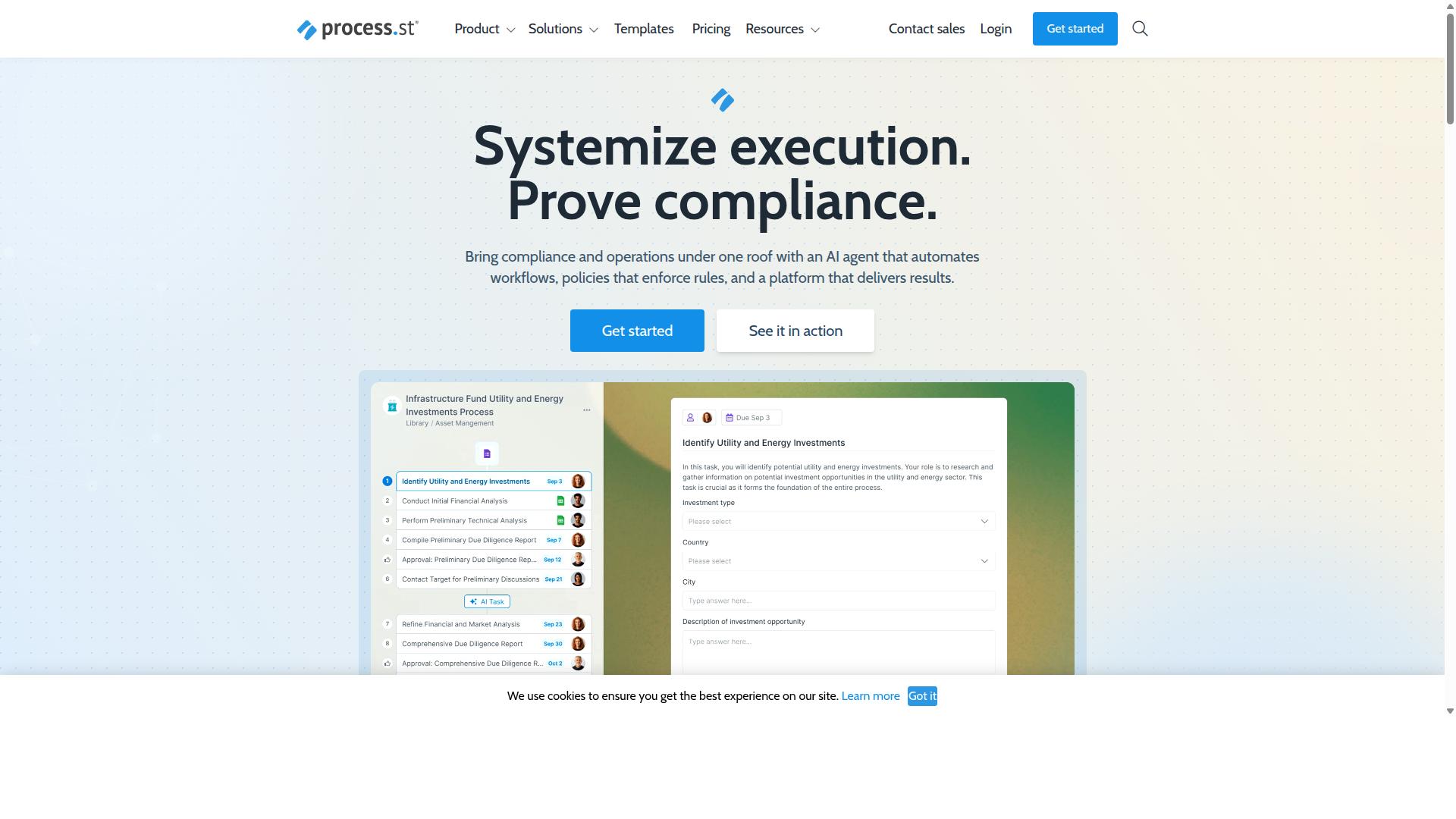
Process Street delivers compliance-grade workflow automation that standardizes customer support processes across 3,000+ companies.
The platform combines three core products to handle customer support needs. Docs manages policy documents and audit evidence. Ops turns those policies into automated workflows. Cora monitors compliance requirements around the clock.
This structure helps teams replace manual ticket handling with traceable, repeatable processes that meet industry standards.
Customer Support Workflow Automation
Process Street turns policy documents into AI-powered workflows that route tickets, enforce SLAs, and log every action.
Ops workflows handle ticket assignment, escalation timing, and productivity tracking across support teams. Organizations can reduce setup time while maintaining consistent service delivery.
Each workflow step connects to specific rules and deadlines. This approach eliminates the gaps that often occur when teams rely on email threads or shared spreadsheets.
Compliance and Documentation Features
Docs module supplies ISO 9001, SOC 2, and SOX-ready document control that links every workflow step to audit evidence.
Policy templates, version control, and automated audit trails meet GDPR, FDA, and 27001 requirements. Teams avoid manual spreadsheets while maintaining current documentation.
Every customer interaction stays connected to the original policy and compliance record. This linkage supports audits without extra preparation time.
Pricing and Support Options
Startup plan includes unlimited workflows, 5 users, and 10 automation apps, while Pro and Enterprise unlock unlimited users and custom automation actions.
Startup provides 10 guests and 100 automation actions per month. Pro adds custom user counts and automation limits. Enterprise includes dedicated success management and fully-managed workflow setup.
Each tier comes with a 14-day free trial on the Pro plan. No credit card is required to start testing the core features.
2. Vanta
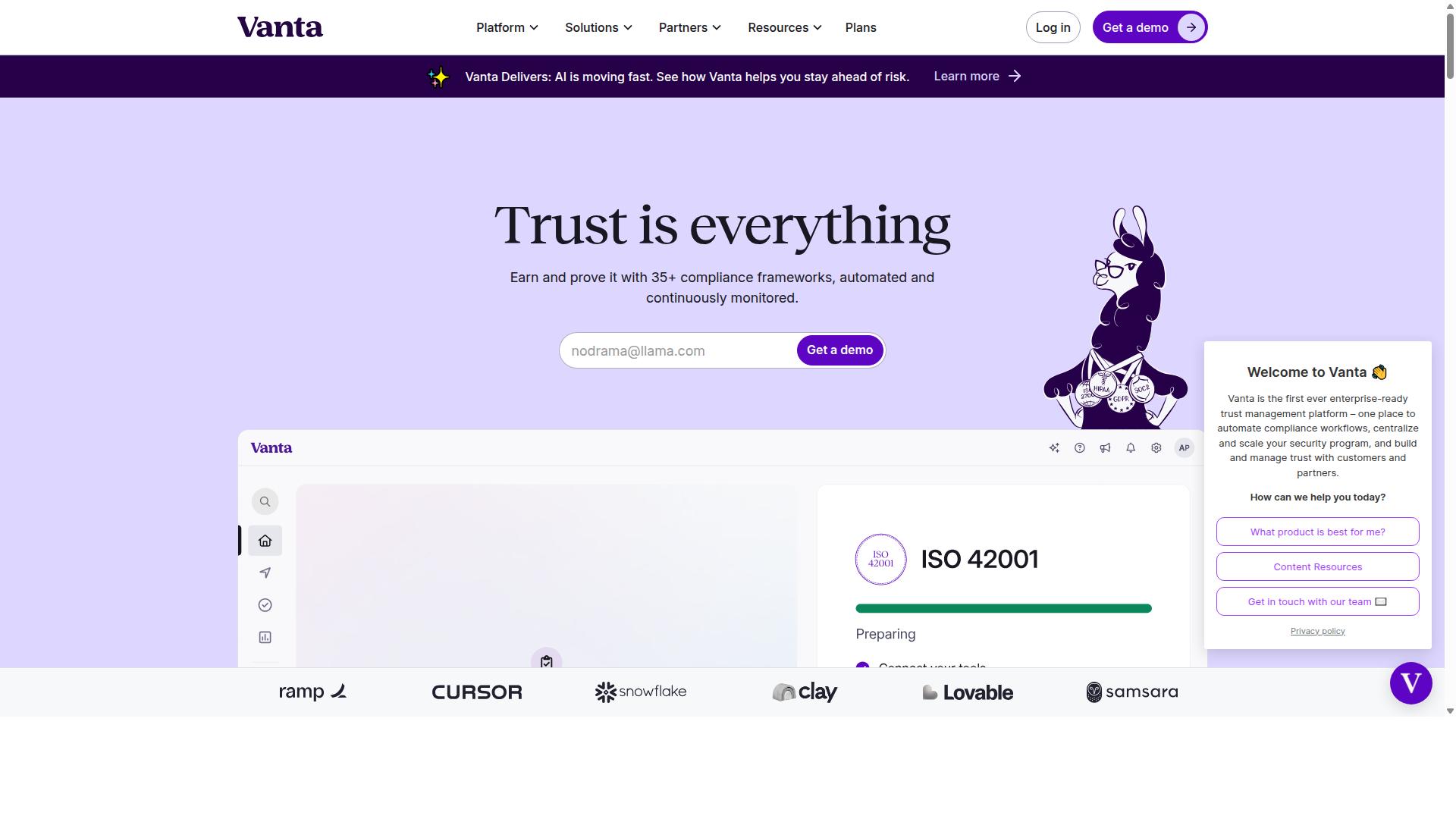
Vanta focuses on continuous compliance monitoring and automated evidence collection for security frameworks. Organizations use this platform to maintain SOC 2 and ISO 27001 certifications through streamlined documentation processes.
The tool gathers evidence across hundreds of integrations while supporting multiple compliance standards. These standards include GDPR, HIPAA, HITRUST, and ISO 42001 requirements for various industries.
Vanta automates security questionnaire responses and audit preparation tasks. Teams in healthcare, fintech, and government sectors often rely on these capabilities to manage regulatory obligations efficiently.
The platform includes additional features such as Trust Center functionality and Third Party Risk Management tools. AI Governance and Vanta AI components help organizations address emerging compliance needs in their operations.
Startups through enterprise teams can benefit from centralized compliance workflows. The Agentic Trust Platform provides structured approaches to ongoing security and risk management activities.
3. Diligent
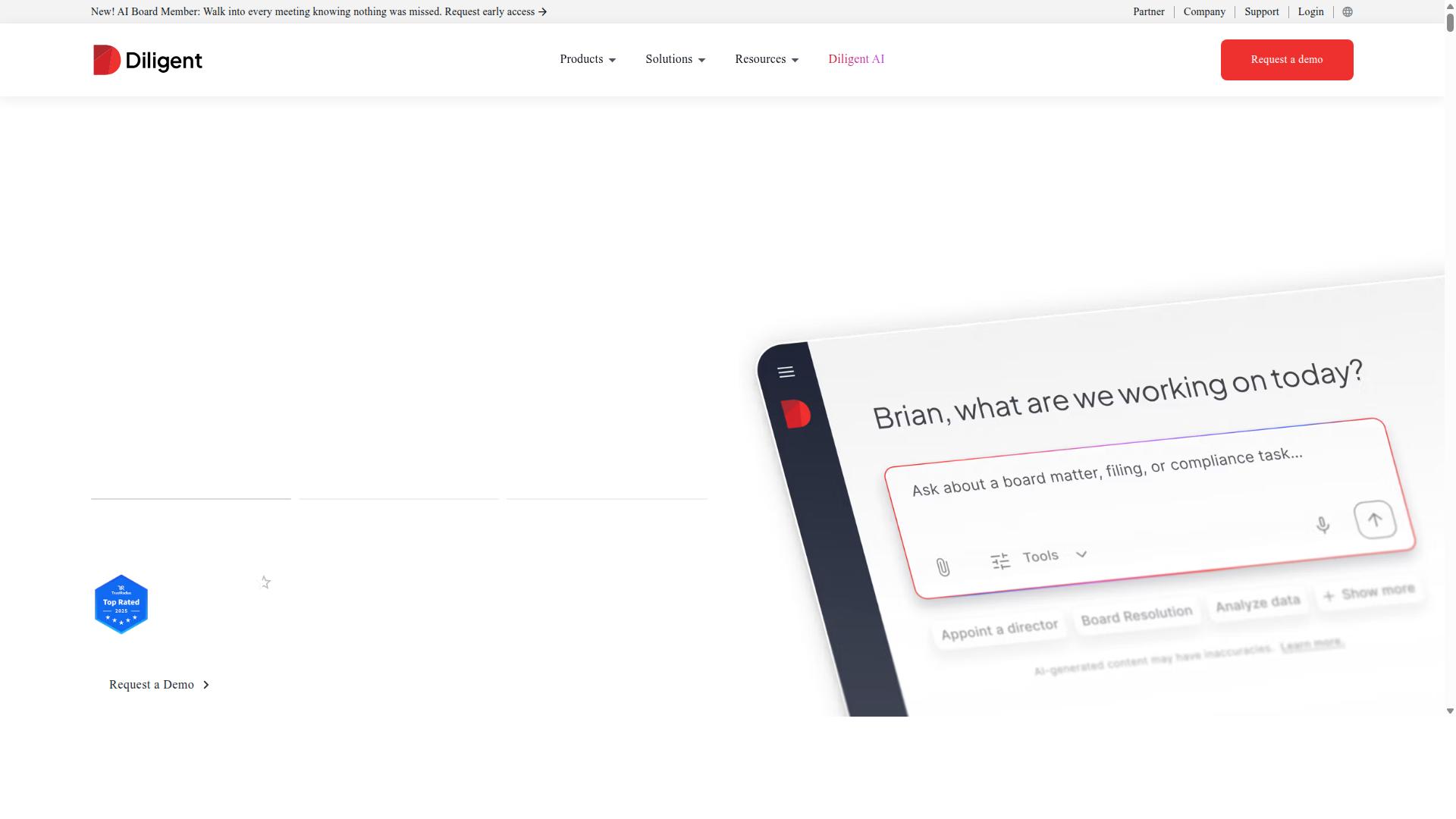
Diligent provides board governance and enterprise risk management tooling with policy distribution features. The platform serves organizations that need to manage compliance activities alongside governance tasks.
Common uses include maintaining risk registers that track identified threats and mitigation steps. Teams also rely on the system for policy attestations that confirm employees have reviewed and accepted required documents.
These capabilities appeal to compliance officers and risk managers who work in regulated industries. The focus remains on documentation and oversight rather than direct customer support workflows.
Organizations in financial services and healthcare often find value in the structured approach to policy management. Diligent supports internal audit processes and third-party risk tracking as part of broader governance programs.
4. Nintex
Nintex offers low-code workflow and robotic process automation primarily for internal business processes. Organizations use it to map workflows and digitize paper forms across departments.
The platform supports contract management, customer compliance, and operations in finance, human resources, and information technology.
Nintex Automation CE runs in the cloud while Nintex Automation K2 offers self-hosted deployment options. Both versions handle process intelligence and application development needs.
Teams in government, financial services, healthcare, and manufacturing rely on these tools to replace manual steps with automated sequences. The software also connects with Microsoft and Salesforce environments through dedicated connectors.
Document automation features include eSignature collection and form generation. Robotic process automation capabilities address repetitive data entry tasks that slow down business operations.
5. LogicGate Risk Cloud
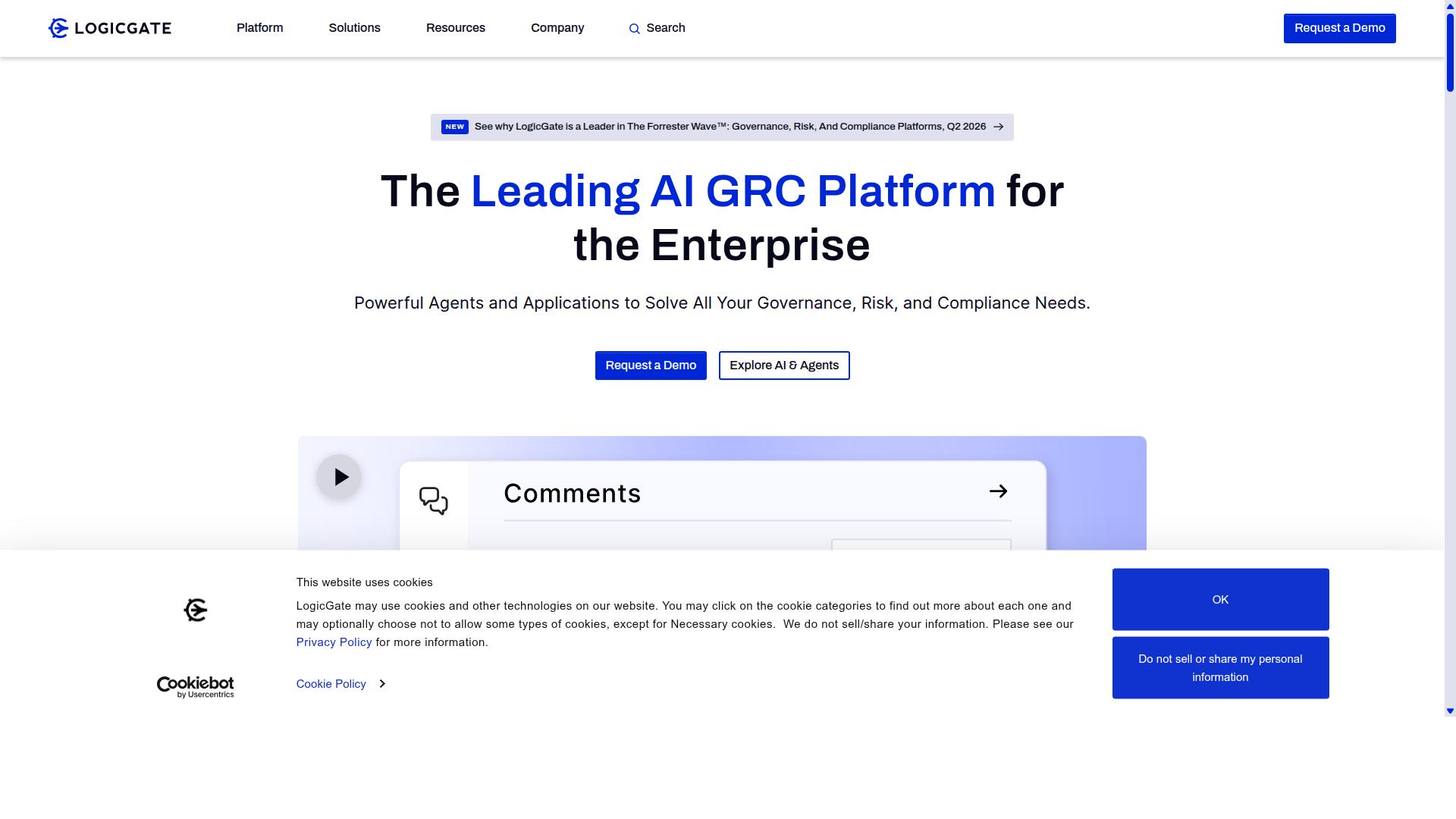
LogicGate Risk Cloud supplies configurable risk workflows and policy management for highly regulated industries. Organizations in finance and healthcare often turn to this platform when compliance requirements demand structured oversight. The system helps teams maintain consistent processes across multiple departments.
Users can create risk-assessment builders that match their specific regulatory needs. Templates cover common scenarios while still allowing full customization. This flexibility helps teams adapt quickly when rules or business conditions change.
Audit trails record every change made to workflows and policies. Teams can review who made updates and when changes occurred. This record-keeping supports external audits and internal reviews.
The platform works well for companies that already have established compliance teams. New users may need time to understand the full range of configuration options. Training resources help bridge this learning curve for most organizations.
6. Camunda
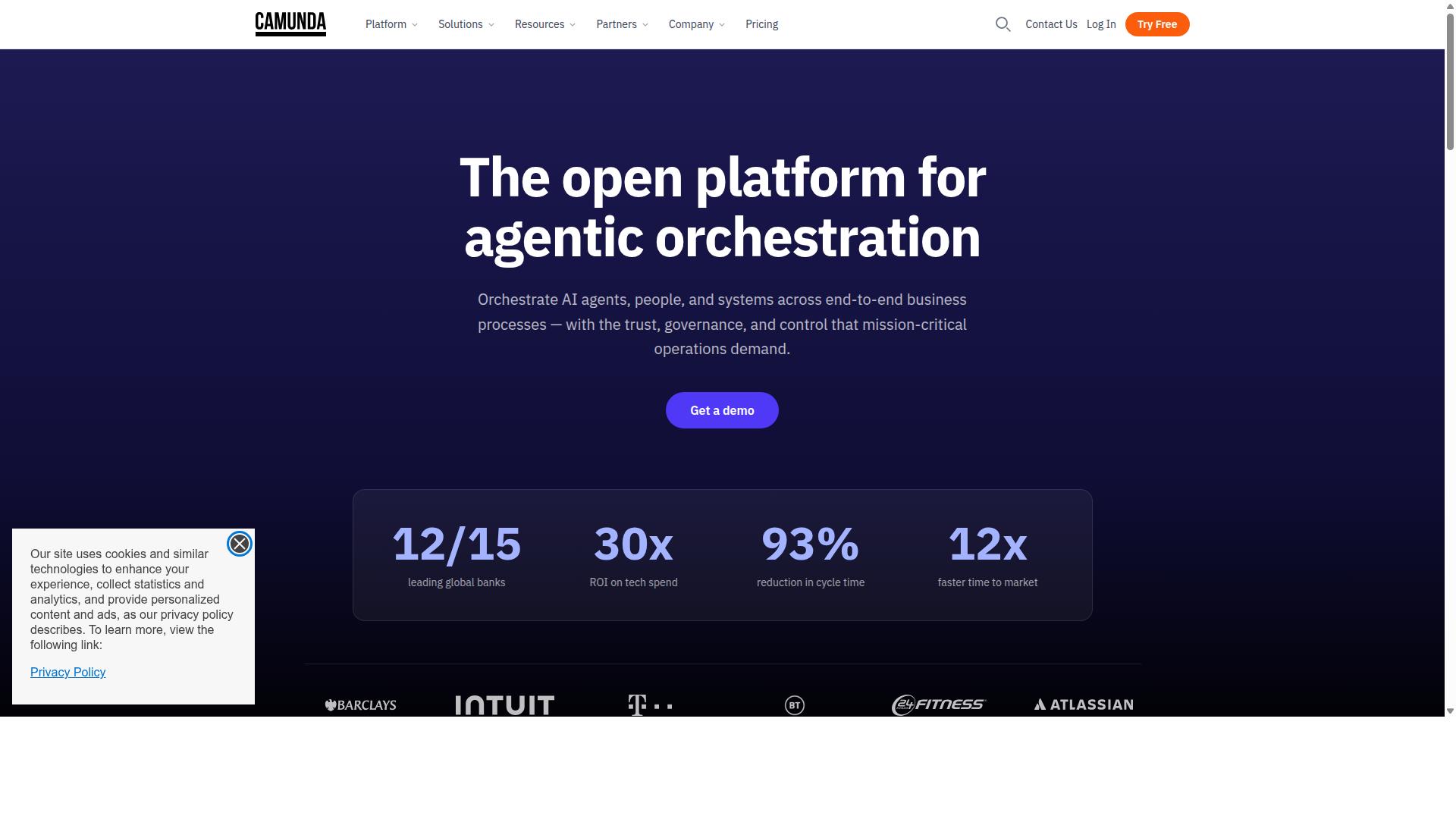
Camunda is an open-source BPM engine that executes complex, event-driven business processes via BPMN 2.0 standards.
This platform focuses on developer-centric process orchestration that coordinates people, systems, and devices. Teams use it to automate end-to-end business workflows through deterministic and dynamic approaches.
Camunda blends predefined logic with AI agents for unpredictable paths. Organizations gain flexibility when they need to handle both structured and unstructured process variations.
The Java API extensibility allows developers to customize behavior and work together with existing systems. This makes the tool suitable for technical teams that require deep control over automation logic.
Research suggests companies experience reduced process timing when they implement proper orchestration. The platform supports scalable automation needs across different organization sizes.
Businesses seeking AI integration alongside traditional workflow management often evaluate this option. The open-source nature provides transparency while the enterprise features add governance capabilities.
7. Appian
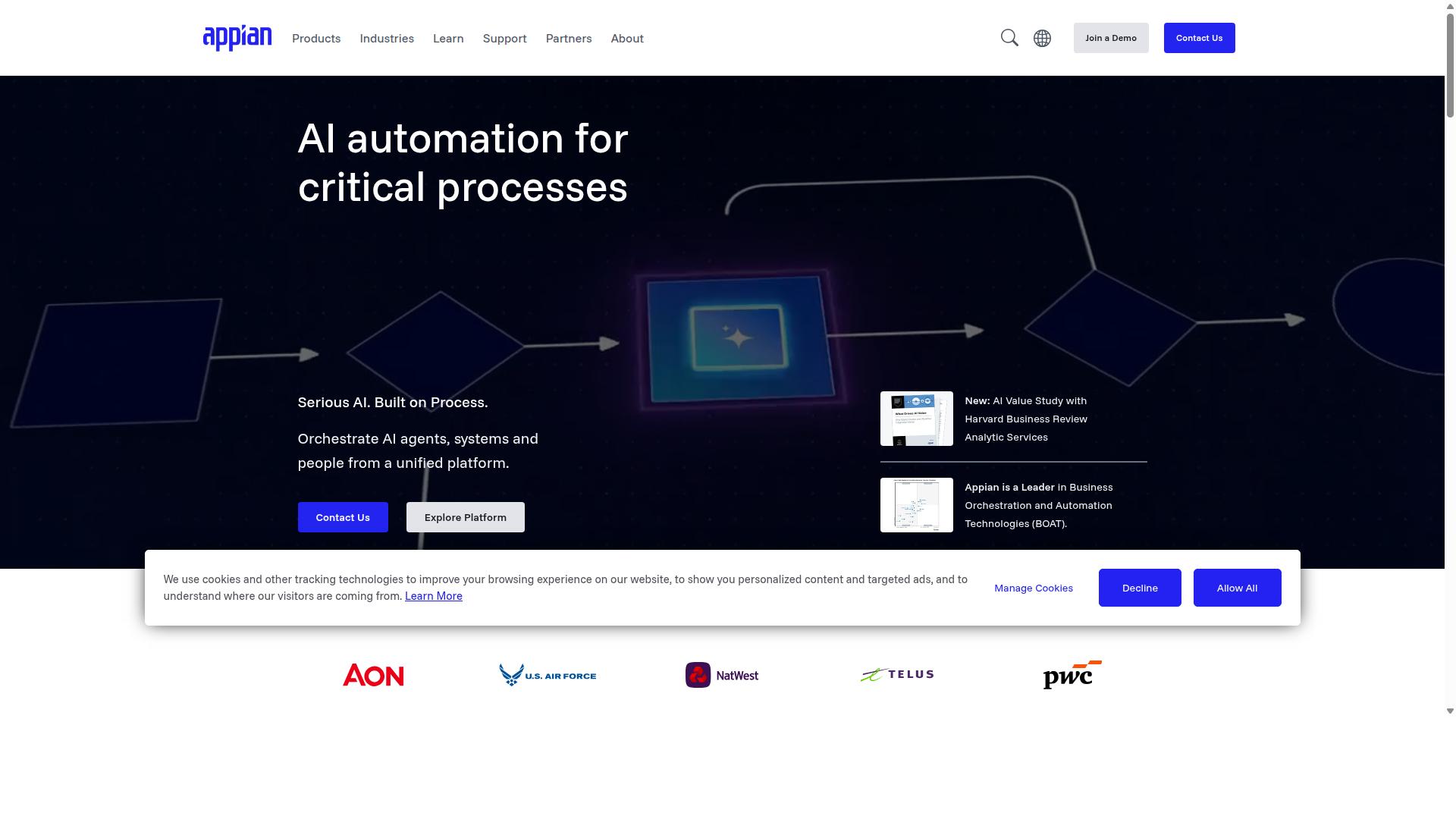
Appian combines low-code app development with case management to coordinate knowledge work across departments.
The platform provides tools for designing business processes, automating tasks, and connecting data from multiple sources. It supports intelligent document processing, API integration, and process intelligence features.
Organizations in financial services, insurance, government, and manufacturing often choose this platform. Appian offers packaged solutions for contract lifecycle management, insurance claims, and public sector case management.
Teams can build applications through a visual interface rather than writing extensive code. This approach reduces development time while maintaining enterprise-grade security and compliance standards.
The platform includes RPA capabilities, AI agents, and data fabric technology to unify information across different systems. These features help organizations handle complex workflows that span multiple departments.
Appian targets enterprises needing end-to-end automation and AI-readiness in regulated industries. The company provides an Appian Guarantee that promises project delivery within eight weeks.
How to Choose the Right Option
Selecting the right platform depends on your team's size, compliance burden, and required response-time targets. Customer support leaders face dozens of choices when evaluating Scrut Automation alternatives for dedicated support workflows.
A clear decision framework helps avoid costly mismatches between tool capabilities and actual team needs. Four practical steps narrow the field quickly.
First, map current ticket volume and average handle time. Record daily incoming tickets, peak hours, and resolution speed for each agent. These baseline numbers reveal whether a lightweight helpdesk or enterprise-grade system fits best.
Second, list mandatory certifications. Most regulated industries require SOC 2, ISO 27001, and GDPR compliance. Teams in financial services, healthcare, and capital markets often face additional audit standards that eliminate certain vendors early.
Third, test API connectivity with your CRM within a 14-day pilot. Connect the shortlisted platforms to existing customer records and confirm ticket data flows correctly in both directions. Failed integrations surface within the first few days of testing.
Fourth, calculate per-agent cost at 95% SLA attainment. Factor in monthly subscription fees, overage charges, and support add-ons needed to maintain your target service level. This final number often decides between otherwise similar options.
Final Verdict
Process Street stands out for teams that need both rigorous compliance controls and AI-powered workflow automation in a single platform.
Organizations gain three clear and measurable advantages when they choose this option over other dedicated customer support automation alternatives. Teams report 30% faster documentation while maintaining full audit trails.
Setup becomes dramatically more efficient with a 75%+ reduction in setup time as reported by IMCD UK. Security and compliance teams also save significant preparation time because the platform holds both SOC 2 Type II and ISO 27001 certifications.
These certifications reduce audit prep by an average of two weeks. That combination of speed, compliance, and documented time savings gives customer support leaders a practical edge when comparing automation alternatives.